15 Weird Ways to Power a Car Beyond Gasoline and Diesel
Gasoline and diesel are always common ways to power a car, often expensive in other markets. They came from crude oil extracted deep into the earth, and we used fractional boiling to extract different hydrocarbons in their boiling points: Heavy oil, diesel, jet fuel, gasoline, and gas are extracted from the refinery. Some scientists and innovators found a way to bypass reliance on crude oil; some are common, some are weird, and some are dangerous. Today, we'll list weird ways to power a car from common to is-that-even-work? Let's dive in:
|
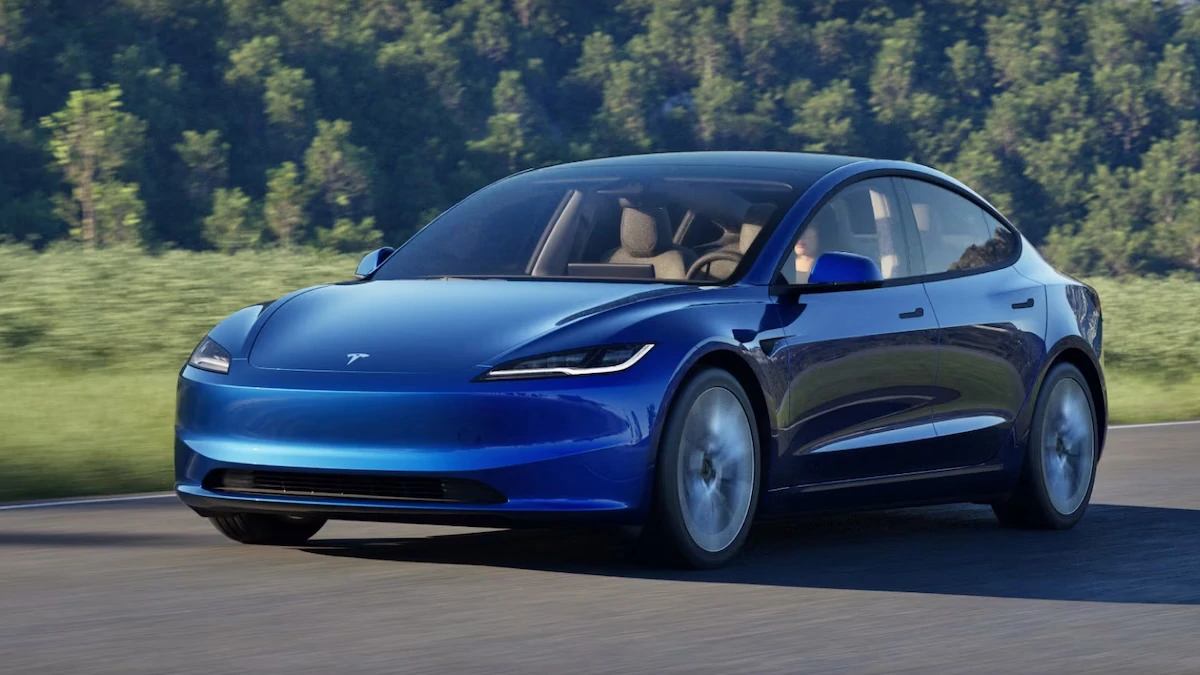
| 2026 Tesla Model 3 |
1. Electricity
Electric cars have existed since the 19th century, with the electric carriage by the Scottish inventor Robert Anderson between 1832 and 1839. Rechargeable batteries weren't invented until 1859 by French physicist Gaston Plante, using Lead-Acid, and improvements were made in 1881 by another French scientist, Camille Alphonse Faure, adding more capacity and making them easy to mass-produce. Most early EVs are slow, take a long time to charge, and have limited range, but their role is to make a car safe to drive, where most early ICE cars relied on hand crank starters, which are dangerous. Fast forward to the 2020s, and EVs are slowly taking over the world, thanks to China. EVs rely on electricity, obviously, by any power source (ironically, some are still powered by coal today), batteries to store energy, and motors to move the car. EVs have evolved and innovated from years of trial and error since the 1960s. Overall, it came in different types: BEV, PHEV, HEV, FCEV, and more.

|
| 1912 Stanley Steam Car |
2. Steam
Steam-powered cars are an external combustion engine, meaning the combustion happens outside the engine; they are usually powered by coal and wood for the water to boil into steam to create a combustion outside the chamber. Steam cars existed back in 1769, with Nicolas-Joseph Cugnot and his invention of the Steam Wagon (Fardier à vapeur) used to move artillery guns. Steam is used in early commercial tractors, steamrollers, steam wagons, and steam-powered cars. These became obsolete when internal combustion was refined and electric starters arrived.
|
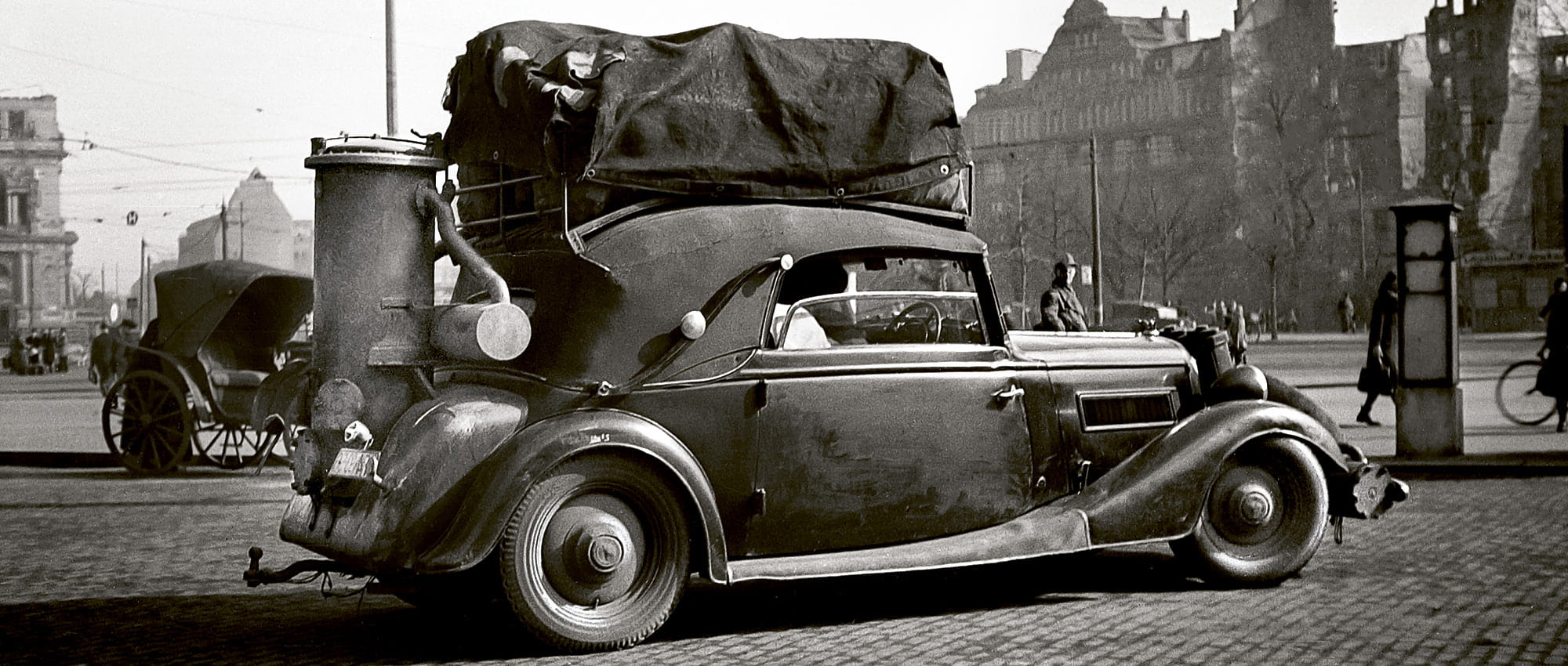
| A wood gas generator on a 1938 Horch 930 V Cabriolet |
3. Wood Gas
It's different from Steam; it's a type of producer gas. This one is the response to the WWII gas rationing in Europe, where fuel was used for the war. It's a portable chemical plant strapped to your car that produces flammable carbon monoxide, hydrogen, and methane by burning wood or charcoal with controlled, limited oxygen. This process is called gasification or pyrolysis, and the produced gas is used to run the engine with gas instead of gasoline.
|
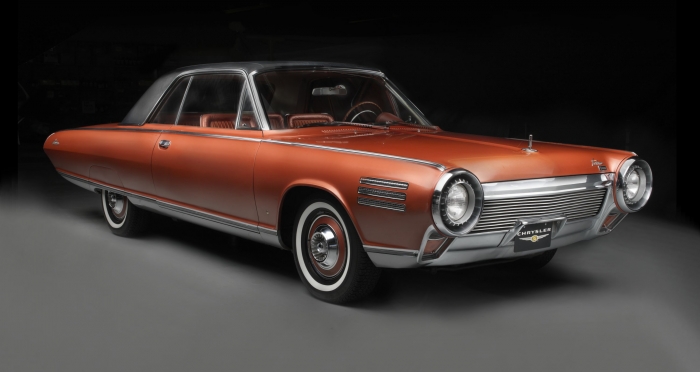
| A 1963 Chrysler Turbine Car — powers on literally anything flammable |
4. Anything Flammable — The Chrysler Turbine Car
This car deserves a mention here — anything flammable, the car will move. This 1963 Chrysler Turbine Car was an experimental bizarreness; one of the engineers behind it thought it would be a good idea to put a turbine engine in a car, the result is a car that you can run on anything that goes blazing aside from gasoline and diesel. During experiment runs, the car ran on peanut oil, Chanel No. 5, Tequila, or Kerosene with no problems at all thanks to its durable A-831 gas turbine. The only downsides are that it's loud and has subpar fuel economy, but hey, at least it has good maintenance and a smooth driving experience.
|
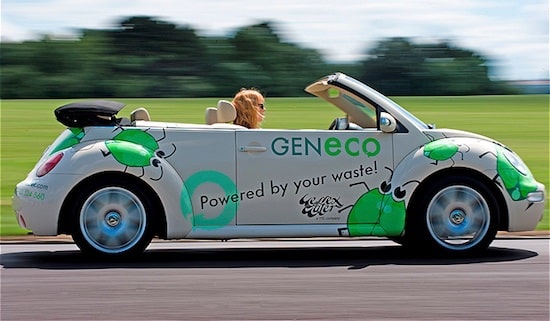
| VW Beetle powered by biomethane gas |
5. Biomethane from Human Waste
Biomethane is another way to power a car using organic waste, turning it into biomethane gas, but it wasn't in this final form; you have to remove the Carbon Dioxide first because you don't want to pollute with our byproducts, by undergoing a filtration to remove the impurities and produce biomethane, a chemically identical to CNG. It uses the same CNG technology to power the car as well. We, humans, produce 350 million tonnes of feces, which could be used to supply raw biogas and turn it into biomethane used to power a car or used for cooking.

|
| 1988 VW Scirocco, aka Carpuccino, uses coffee grounds as fuel |
6. Coffee Grounds
This car uses the same principle as a wood gas generator, but is powered by coffee grounds through gasification, burned by charcoal, turning them into hydrogen and carbon monoxide to be fed to the engine. The smell of the exhaust is unique — reports say it smells like a morning roast, caffeinated enough to wake you up.
|
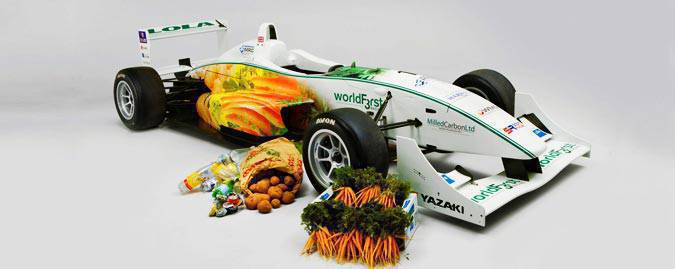
| Chocolate-powered WorldFirst F3 race car |
7. Chocolate
Once chocolate is made, the byproduct — the cocoa butter — can be used in many ways. Since chocolate byproducts are rich in fats, they can be processed via transesterification, a standard chemical process that converts triglycerides (fats/oils) into fatty acid methyl esters (biodiesel). This car performs like a standard F3 car! It reached a top speed of 200 km/h (125 mph) and 0–60 in 4 seconds. Other than that, the car is made out of potatoes and steered using carrots!

|
| A participant of the Bridgestone World Solar Challenge in a solar powered prototype |
8. Solar
They're basically EVs but powered by the sun. They use solar panels that can be direct or the innovative solar paint. Solar power can be used in two ways: one to charge your EVs or battery, and to be used directly to the motor. The only downside? You need the sun to power a solar-powered car.
|
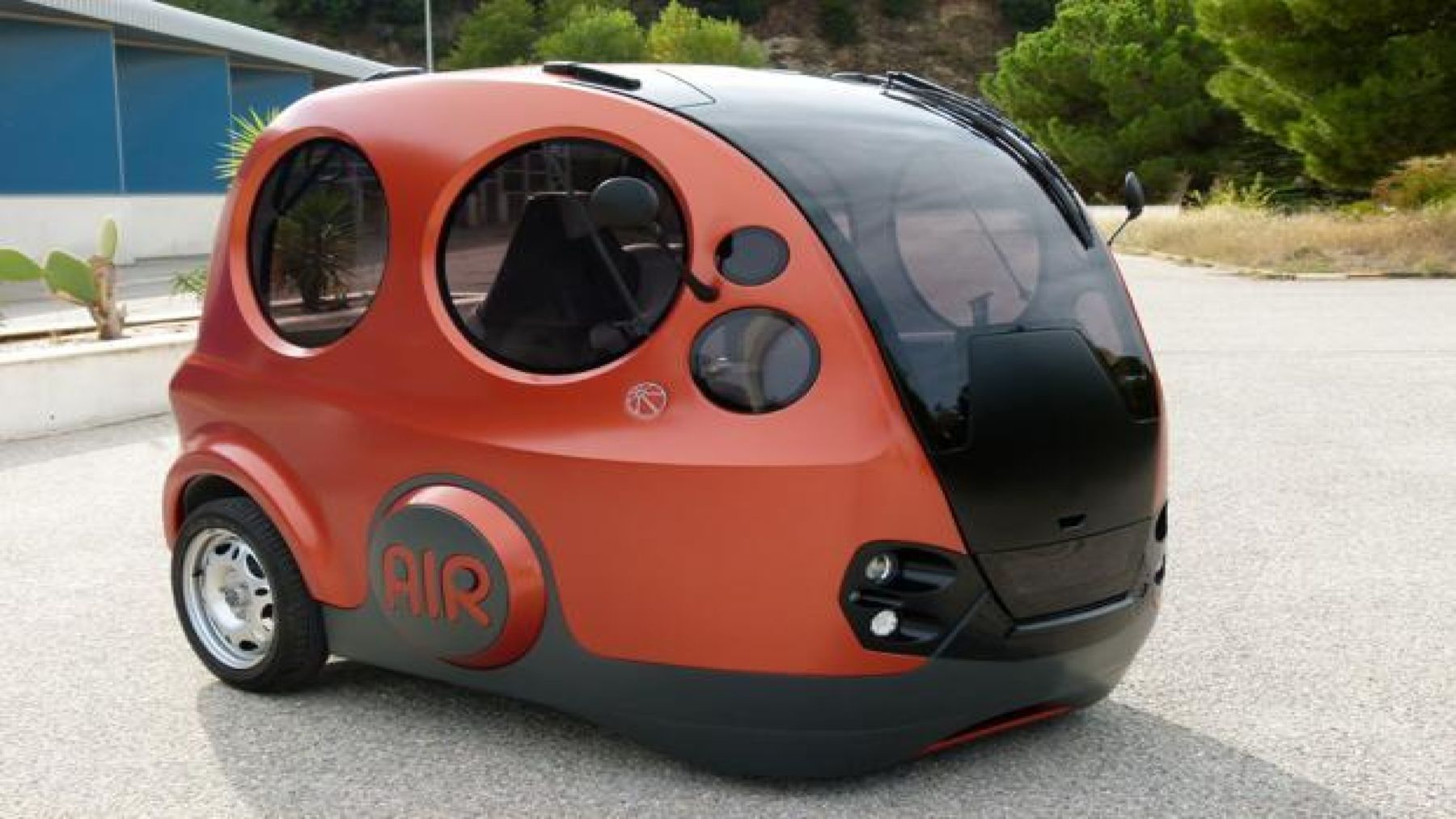
| AIRPod car uses compressed air |
9. Compressed Air
Yes, you heard me — literal air. How does it work? It uses compressed air stored in high-pressure tanks (200–300 times the atmospheric pressure). When you press the accelerator, a valve opens and releases that high-pressure air into the engine. As the air moves from a high-pressure tank into the engine's lower-pressure cylinders, it rapidly expands. This expansion pushes pistons or spins a rotary vane motor. That movement turns the crankshaft, which moves the wheels, thus creating movement.
|
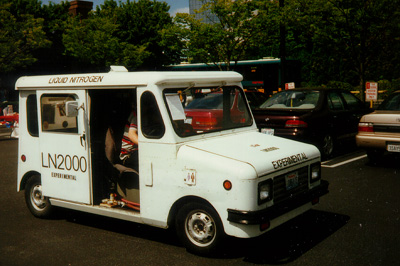
| A Grumman Kubvan mail truck that uses liquid nitrogen to power the car |
10. Liquid Nitrogen
It operates like a steam engine, but it uses ambient heat to "boil" the liquid nitrogen. How it works is by heat exchange; the liquid nitrogen is pumped out of the tank through the radiator, which performs the opposite way, absorbing ambient heat from outside instead of cooling the car. The liquid boils instantly due to ambient heat, turning it into a gas that expands. This expansion goes through the piston or rotary (similar to compressed air), which pushes the crankshaft and turns the wheels. Think of it as steam + compressed air.

|
| Wind-powered cars ready to race |
11. Wind
These cars use wind to power movement, either through a turbine or a sail. Sail cars are simple — they use a sail to move the car, while turbine-based ones use rotors to generate movement. The propellers are connected directly to the drive wheels through drivetrains, and once the car moves, it forces the rotors to spin, and as the rotors spin, the air pushes against them, creating thrust.
|
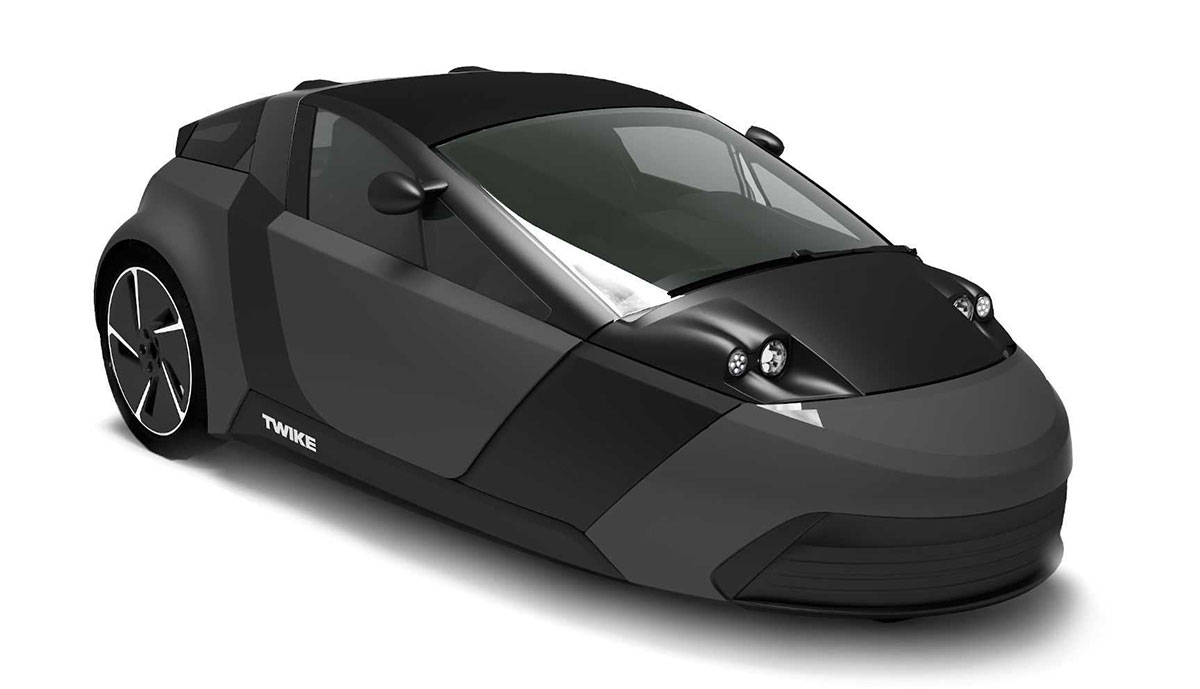
| 2022 TWIKE 5, a hybrid of pedal and electric |
12. Human Power
No source of energy? Why not you? Some are traditionally and physically demanding, like pedaling, and some are assisted with an electric motor. These velomobiles need one source of power: your legs. The downside? You'll get tired, but at least it's part of a healthy exercise.

|
| A 1979 AMC Spirit with a Stirling Engine |
13. Stirling Engine
The Stirling Engine is another external combustion engine. Unlike the steam engine, which uses boiling water, it uses sealed gas inside (usually air or helium) that moves back and forth between a hot side and a cold side using any heat source. The Stirling engine has been around since 1816, originally used to pump water in a quarry, and now it has mostly shrunk to toy model kits — but AMC took this idea in their experimental AMC Spirit. Unfortunately, that system is heavy and slow, making it impractical for road use.
|
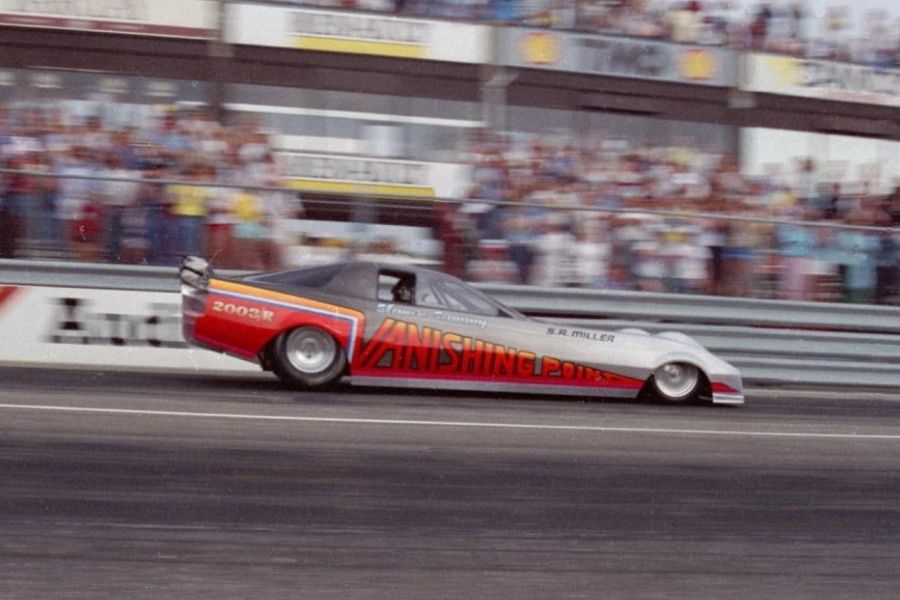
| Sammy Miller's Vanishing Point Rocket Car |
14. Hydrogen Peroxide
Yes, your bottle of hydrogen peroxide is used to propel a rocket dragster and reach speeds up to 500 mph! This was popular during the 1960s–1970s, when daredevils wanted much faster and blazing top speeds. When High Test Peroxide (HTP) comes into contact with a catalyst (like a silver or platinum screen), it undergoes an intense exothermic reaction — meaning it releases a massive amount of heat instantly. Because the reaction is so hot, the water vapor is turned into superheated steam. The reaction expands the liquid into a gas at a ratio of hundreds-to-one. This high-pressure, high-temperature gas mixture is then forced out through a nozzle at supersonic speeds, providing massive thrust.
|
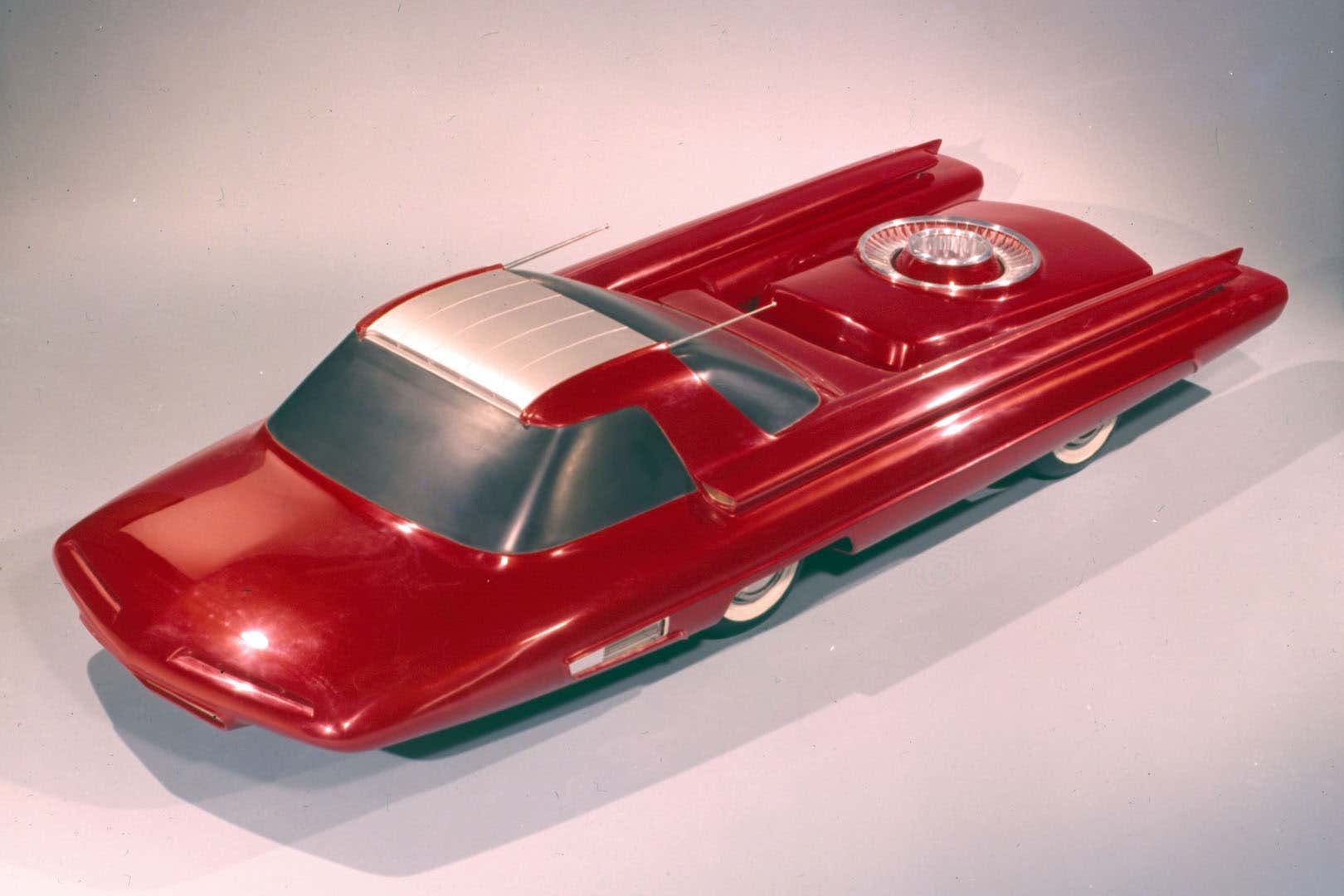
| The 1958 Ford Nucleon — The car of the future in the late 50's |
15. Nuclear
Nuclear — one of the cleanest and most dangerous sources of energy. So why put it on a car? The 1950s marked the beginning of nuclearization: submarines have it, power plants now use nuclear, and for cars? Ford showcased the Nucleon as the future of transportation, similar to EVs. It works by using a small, shielded nuclear core that generates intense heat via fission; this heat would be transferred to a working fluid, and that fluid would spin a turbine or drive a steam engine connected to the wheels, similar to how a nuclear submarine or aircraft carrier works. The downside? If it's in an accident, expect a nuclear fallout.
Conclusion
Scientists and innovators found clever ways to power a car — the reason is to reduce dependence on fossil fuels, while some others wanted to reduce the exhaust gases emitted by ICE cars. Overall, we live in a world where possibilities are endless, and innovations keep on innovating. I appreciate their efforts in solving the problems here on earth.


Comments
Post a Comment